Winning a court case is a big step. However, a judgment does not guarantee payment.
So, what happens next? The answer is enforcement. This is the process used to recover the money you are owed.
What Does Civil Litigation Cover?
Civil litigation deals with non-criminal disputes. In these cases, one party asks for money or legal help from another.
In Brampton, common disputes include:
- Breach of contract
- Unpaid debts
- Business disagreements
How Long Do Civil Cases Take?
Legal cases follow a structured process. In many situations, courts aim to resolve cases within about 24 months.
However, timelines can vary. They depend on how complex the case is and how both sides respond.
How Can You Recover Your Money?
If a debtor does not pay after a court decision, you still have options. In fact, the law provides several ways to help you recover your money.
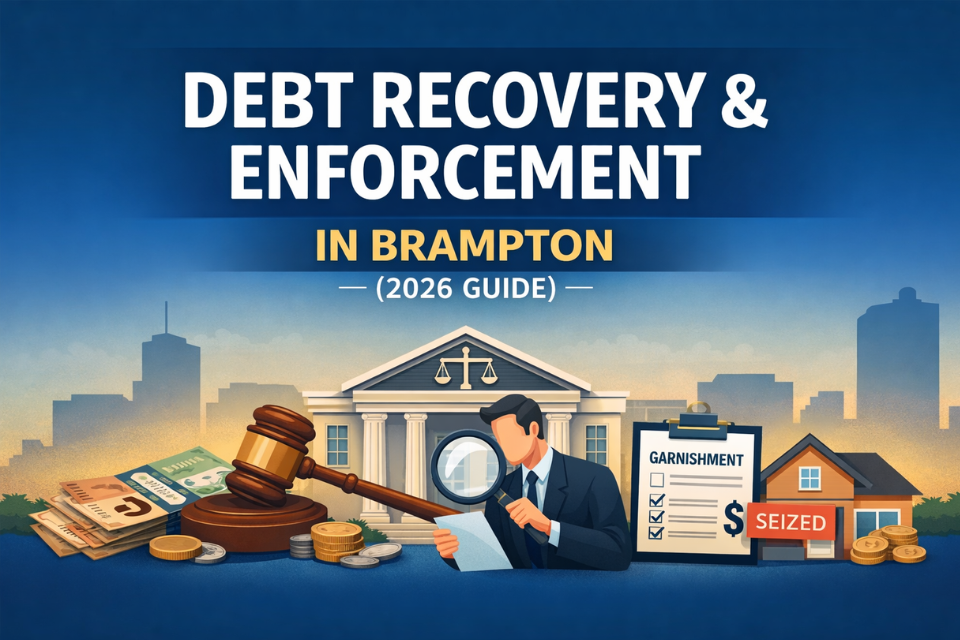
1. Notice of Garnishment
This option lets you collect money directly from the debtor’s income or bank account.
For example, a part of their salary can go to you until the full amount is paid.
2. Writ of Seizure and Sale
This tool places a claim on the debtor’s property.
As a result, they cannot sell or refinance their assets until they clear the debt.
3. Examination of the Debtor
In this process, the debtor must appear in court.
They must share details about their finances under oath. This step helps identify assets that can be used to recover your money.
Protect Your Financial Interests
Winning a case is only one step. You must also take action to collect your payment.
Therefore, acting early is important. A clear plan can improve your chances of success.
If you need help recovering funds in Brampton, speaking with a legal professional can help you move forward with confidence.